

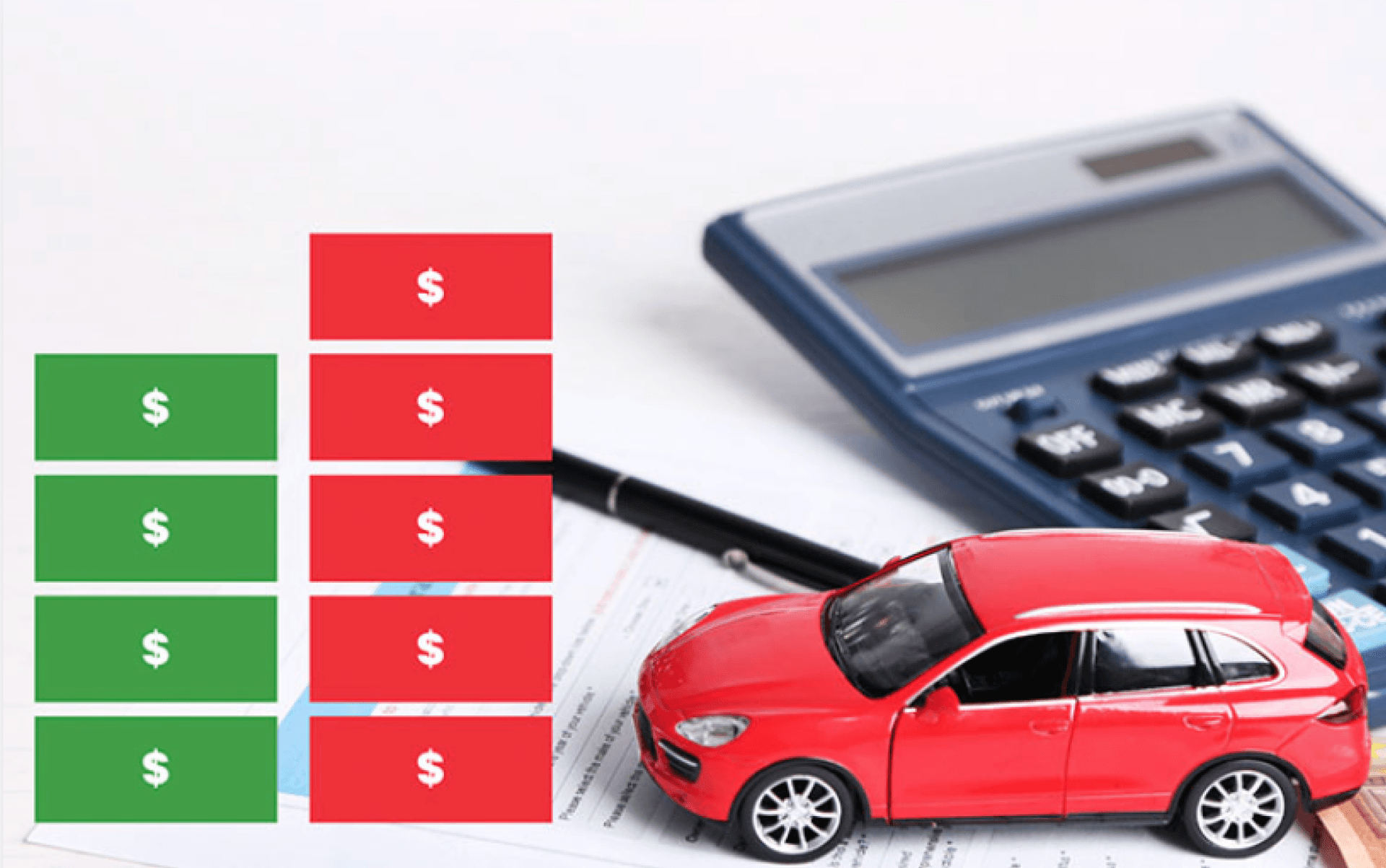
If you've ever heard the term "upside down" in relation to a car loan, you've encountered the concept of negative equity. In simple terms, negative equity occurs when you owe more on your car loan than the vehicle is currently worth. It's a surprisingly common situation that affects many Canadian drivers, and understanding how it happens is the first step toward avoiding — or resolving — it.
Negative equity can make it difficult to trade in your vehicle, sell it privately, or refinance your loan. But it's not the end of the world. With the right strategy, you can work your way out of negative equity and back into a comfortable financial position.
Depreciation is the primary culprit behind negative equity. New cars lose a significant portion of their value the moment they're driven off the lot — often 20 to 30 percent within the first year alone. If you financed the vehicle with a small or no down payment, or chose a long loan term, the car's value can drop below your outstanding loan balance very quickly.
Rolling over debt from a previous car loan into a new purchase is another common cause. If you trade in a vehicle while still owing money on it, the remaining balance gets added to your new loan, putting you in a negative equity position from day one. High-interest rates and extended loan terms of six or seven years can also make it difficult for your payments to keep pace with depreciation.
Negative equity becomes a problem when you want to make a change. If your vehicle is totalled in an accident or stolen, your insurance will only pay out the car's current market value — not the amount you owe on the loan. This means you'd be responsible for covering the difference out of pocket, unless you have GAP insurance to bridge that gap.
If you want to trade in your car for something different, negative equity complicates the process. The dealership will only offer you the vehicle's trade-in value, and the remaining loan balance would need to be paid off or rolled into the new loan. This can lead to a cycle of increasing debt with each subsequent trade-in, making it progressively harder to get out from under the negative equity.
The most effective way to avoid negative equity is to make a substantial down payment when purchasing your vehicle. Putting 20 percent or more down immediately creates a financial cushion that helps you stay ahead of depreciation. Choosing a shorter loan term — ideally four years or fewer — also ensures that your payments reduce the principal faster than the car loses value.
Buying a quality pre-owned vehicle instead of new is another smart strategy. Pre-owned cars have already absorbed the steepest period of depreciation, so the gap between what you owe and what the car is worth remains smaller throughout the loan. Additionally, making extra payments toward the principal whenever possible will reduce your balance faster and build equity sooner.
If you're already in a negative equity position, the simplest approach is to keep the vehicle and continue making your regular payments until the loan balance drops below the car's value. Making extra payments, even small ones, can accelerate this process significantly.
Refinancing to a shorter loan term with a lower interest rate can also help you build equity faster. If you absolutely need to change vehicles, look for a dealer who can work with you to minimize the impact of rolling over negative equity. Avoid the temptation to simply trade up to a more expensive car, as this will only deepen the negative equity hole.
Negative equity is a common but manageable challenge that many Canadian drivers face at some point. By understanding how it happens and taking proactive steps to avoid or address it, you can keep your finances on track and maintain flexibility for future vehicle purchases.
At Carhive, our in-house financing team works with every customer to structure a loan that makes financial sense. We guarantee approval regardless of your credit history, and we'll help you find a quality pre-owned vehicle that holds its value. Whether you're looking to avoid negative equity altogether or work your way out of it, we're here to help. Visit Carhive today!





.png&w=64&q=75)

.png&w=64&q=75)





Aug 10, 2026
How Co-Signing Works for Ontario Car Loans

Aug 02, 2026
Best Cars for Uber and Lyft Drivers in Toronto

Jun 28, 2026



.png&w=48&q=75)
.png&w=48&q=75)
.png&w=48&q=75)